
Loading...
Serving Fernley, NV and surrounding areas. (775) 980-1609
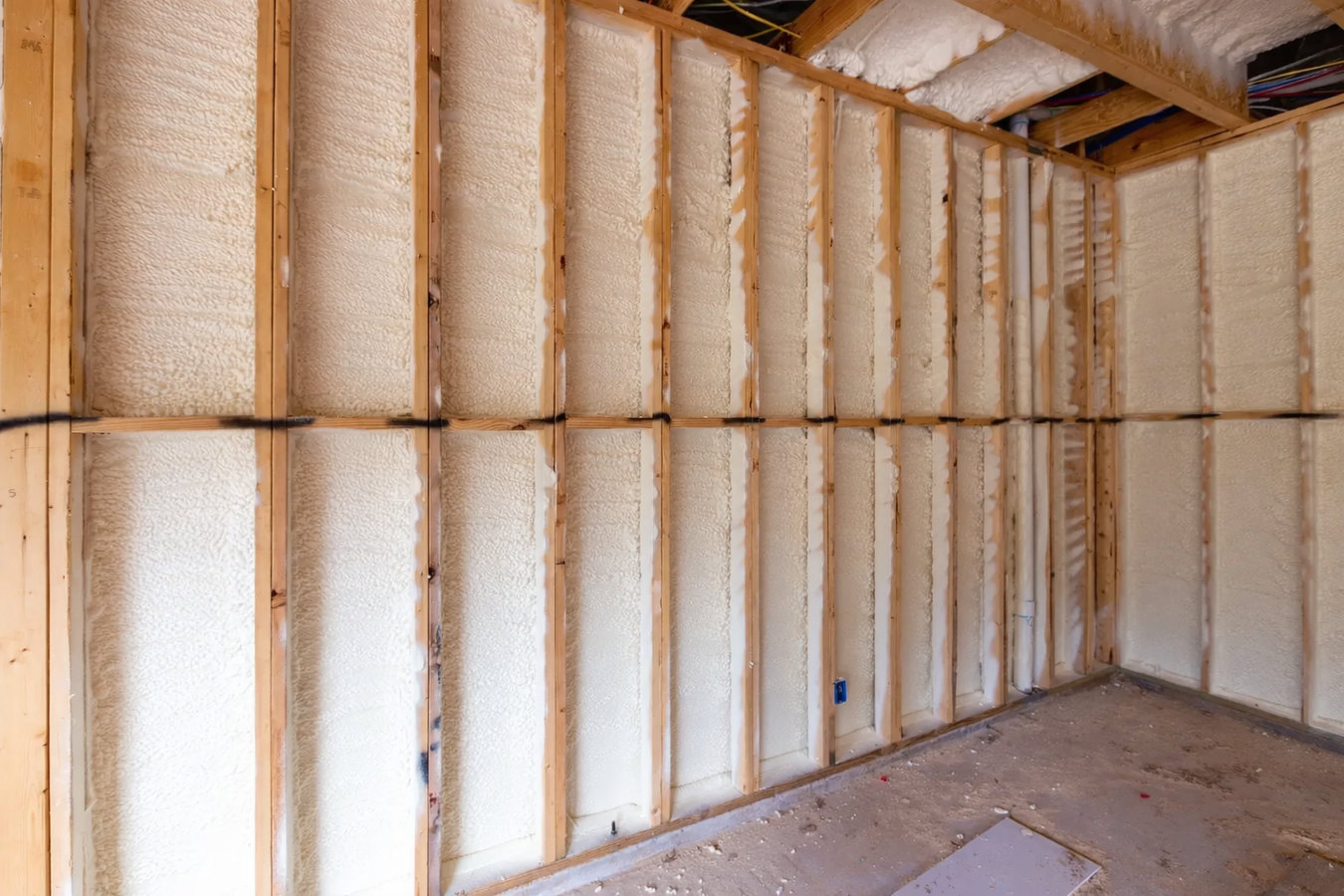
Cold floors in January and sky-high energy bills year-round often trace back to an under-insulated basement. We inspect, install, and fix the problem - so your home holds its temperature through every season.
Basement insulation in Fernley, NV creates a thermal barrier between your living space and the cold ground or outside air below your home, reducing heat loss through your floors and foundation walls - most standard residential jobs are complete in one day. Fernley's temperature range, from triple-digit summers to freezing winter nights, means your basement works against your HVAC system every single day unless it is properly insulated. Whether the issue is cold first-floor floors in January or high utility bills year-round, the basement is one of the most direct places to fix it.
Many Fernley homeowners also need attention below grade on the walls and rim joists, not just the ceiling above the basement. If your home shows signs of air infiltration or moisture, pairing basement insulation with crawl space insulation addresses the full below-grade envelope in one visit. The U.S. Department of Energy recommends insulating both the basement ceiling and walls as part of a complete home weatherization plan.
If you walk across your main floor in January and it feels cold underfoot - especially away from exterior doors - heat is escaping through an uninsulated basement ceiling. This is one of the most common complaints from Fernley homeowners in winter, when nighttime temperatures drop into the teens and twenties. The fix is almost always below your feet.
If your utility costs keep rising but your habits have not changed, your insulation may no longer be doing its job. Fernley's extreme temperature range means an under-insulated basement works against your HVAC system in summer and winter alike - not just one season. That steady pressure shows up on your bill every month.
Fernley's dry, dusty desert environment means gaps in your foundation walls or floor can let airborne particles from the soil outside into your home. If you dust more than you think you should, or the air in your lower level feels gritty, outside air - and what is in it - is getting in through unsealed gaps that insulation work can fix.
Even in Fernley's dry climate, heavy rain and late-winter snowmelt can reach your basement through foundation cracks. If the space smells musty or shows any dampness after wet weather, that moisture needs to be addressed before insulation goes in - and it is a clear sign the basement needs a professional assessment soon.
We handle basement insulation across all the areas that matter - foundation walls, rim joists, and the ceiling above an unfinished basement. Before any material goes in, we check for foundation cracks and moisture. In a climate like Fernley's, where alkaline soil can shift over time and open small cracks in walls, skipping that step would mean insulating over a problem rather than solving it. We also assess whether existing material can stay or needs to come out. Our work pairs naturally with closed-cell foam insulation, which is especially effective on foundation walls because it insulates and acts as a moisture barrier in one layer.
For homes where the basement connects to areas below grade like a crawl space, we can coordinate with our crawl space insulation service in the same project so the entire below-grade envelope is addressed at once. Every basement job includes sealing air gaps around pipes, sill plates, and any penetrations through the rim joist - because those gaps are where conditioned air actually escapes, and insulation alone will not stop them.
Best for finished or conditioned basements where the walls are the primary source of heat loss and cold air infiltration.
Best for unfinished basements - insulating the ceiling above keeps the first floor warm without heating an unused space below.
Best for homes with drafts near the floor or higher-than-expected heating bills - the rim joist is one of the most common air leakage points in older Fernley homes.
Best when the basement and crawl space both need attention - treating the full below-grade envelope together delivers the largest comfort and efficiency improvement.
Fernley sits in the high desert of western Nevada at around 4,100 feet elevation. Summer highs regularly exceed 100 degrees F, and winter nights can drop below 20 degrees F - an 80-plus degree swing across the year. That range puts real pressure on your home's ability to hold a comfortable temperature, and an uninsulated or under-insulated basement is one of the biggest reasons heating and cooling costs run high here. The soils around Fernley are also alkaline and sandy, which means they can shift and contract with temperature changes, gradually opening small cracks in foundation walls that let in cold air and, after heavy rain or snowmelt, moisture. Addressing those cracks before insulating is part of doing the job right in this specific environment.
Fernley grew very quickly in the early 2000s, and a large share of the housing stock dates from that era. Homes built then often met the minimum insulation requirements of the time - lower than what is recommended today. If your home was built between 2000 and 2010, your basement insulation may be under-performing even if it was installed to code. We serve homeowners across the region, including Dayton and Silver Springs, where homes face the same high-desert conditions and the same era of construction.
Reach out by phone or through the contact form and we will get back to you within one business day. You do not need to know anything technical - just describe what you are noticing, like cold floors or high energy bills, and roughly the size of your basement.
We come to your home, walk through the basement with you, and check for moisture or air gaps before measuring the space. This visit takes 30 to 60 minutes. You will receive a written estimate that breaks down exactly what will be done and what it costs - no vague line items.
Before the crew arrives, clear the basement of stored items. The installation itself typically takes one full day. There will be some noise, but most homeowners can stay in the house. The crew cleans up before they leave.
Before the crew leaves, we walk you through the finished work so you can see exactly what was installed and where. Unlike spray foam, there is no waiting period - you can use the basement immediately. Watch your energy bills over the next billing cycle to confirm the improvement.
Free estimate, no obligation. We will assess your basement, explain exactly what your home needs, and give you a clear written quote - no pressure, no sales pitch.
(775) 980-1609You get a free on-site visit and a written estimate that itemizes the scope and price before you commit to anything. Our experienced local crews walk you through what your basement needs and why, so there are no surprises once the work starts.
We check for signs of water intrusion before a single piece of insulation is installed. If we find anything, we tell you clearly and honestly - because insulating over a moisture problem only makes it worse. This step is standard for us, not an add-on.
A large portion of the homes we work on in Fernley were built during the city's rapid growth years. We know the common insulation gaps, the foundation wall construction, and the rim joist details typical of that era - which means we find the right fix faster. We have seen what these homes need.
Before we leave, we walk you through everything that was installed so you can see it for yourself. You will also receive documentation of the work in case it is relevant for energy rebates through NV Energy or for records when you sell the home. The work is on record, done to standard.
Every basement project we take on follows the same standard: check for problems first, install the right material for the space, and document the work before we leave. That consistency is what Fernley homeowners come back for and what they tell their neighbors about.
Spray foam that insulates and seals moisture in a single layer - ideal for Fernley foundation walls where gaps and vapor management both matter.
Learn MoreBelow-grade insulation for homes with a crawl space - pairs naturally with basement work to seal the full underfloor envelope at once.
Learn MoreFernley winters arrive fast. Book your free assessment now and have the work done before the next cold snap hits your floors and your heating bill.