
Loading...
Serving Fernley, NV and surrounding areas. (775) 980-1609
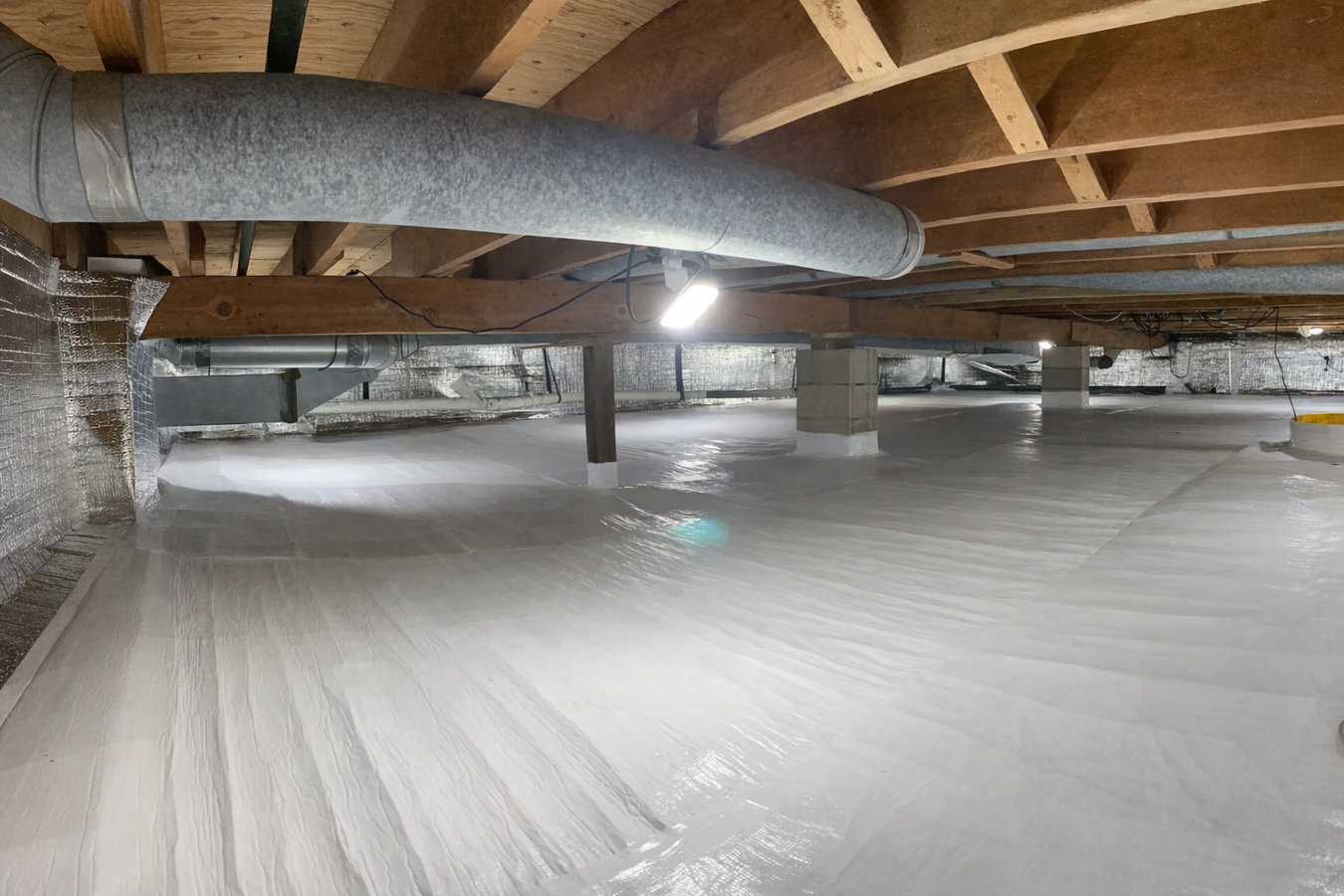
If your floors feel cold in January or your cooling bills climb every summer, your crawl space is likely part of the problem. We insulate it properly so your home holds temperature the way it should.
Crawl space insulation in Fernley acts as a thermal barrier between the cold ground and your living area, reducing heat loss in winter and keeping your air conditioning from fighting radiant ground heat in summer. Most jobs in a typical single-family home take one to two days, depending on the size of the space and whether old material needs to come out first.
Many homeowners in Fernley discover the problem after noticing cold floors, rising utility bills, or a musty smell they cannot locate. The crawl space is out of sight, so it tends to get ignored - but an uninsulated or poorly insulated crawl space forces your heating and cooling system to work harder every single day of the year. Pairing this work with wall insulation gives your whole home a much tighter thermal envelope.
A crawl space vapor barrier is often installed at the same time to protect the new insulation from seasonal moisture - even in the high desert, occasional heavy rain and spring snowmelt from the Sierra Nevada can push water under homes that are not properly sealed.
If you walk across your kitchen or hallway in January and the floor feels cold through your socks, that is a sign that cold air from the crawl space is moving up through the subfloor. Fernley winters see overnight lows regularly in the teens and twenties - an uninsulated crawl space will make itself felt inside every morning.
If neighbors with similar-sized homes are paying noticeably less on their utility bills, your crawl space may be part of the reason. An uninsulated crawl space forces your heating and cooling system to work harder to maintain a comfortable temperature, especially given Fernley's wide seasonal temperature range.
A musty smell that seems to come from below - especially after rain or in early spring - can indicate that air from the crawl space is moving into your living area. This sometimes means moisture has gotten in and existing insulation has absorbed water and started to break down.
If you or a contractor peek into your crawl space and see insulation that is drooping, falling away from the joists, or has turned dark or discolored, it is no longer doing its job. Insulation in this condition has either absorbed moisture, been compressed over time, or simply reached the end of its useful life.
We install crawl space insulation using whichever approach fits your home best - fiberglass batts attached to the floor joists above, spray foam along the crawl space walls, or rigid foam board as part of a full encapsulation. The right choice depends on the size of your space, your home's construction, and whether you are looking for a standard upgrade or a more complete thermal seal. We also pair crawl space insulation with a crawl space vapor barrier to protect the installation from moisture over time.
For homes where the existing insulation is damaged or contaminated, we remove the old material first before installing anything new - there is no benefit to laying new insulation over a compromised base. If the project includes wall insulation at the same time, we coordinate both scopes so the work is done efficiently and the result is a consistently tighter home.
Good fit for homes where the subfloor is accessible and the conditions are dry - a cost-effective way to add insulation to existing floor joists.
Suited to homes where encapsulating the space makes more sense than insulating the floor above - performs better in climates with wide temperature swings.
The most complete solution - seals walls, installs a vapor barrier on the floor, and brings the crawl space inside your home's thermal envelope.
For homes where the existing material is sagging, moisture-damaged, or compressed - remove first, then start fresh with properly installed insulation.
Fernley sits in the high desert of western Nevada, where summer highs regularly push past 100 degrees and winter nights drop into the teens. That 80-plus degree swing between seasons puts real stress on a crawl space that is not properly insulated - your floors will feel cold in January and your air conditioner will work overtime in July. Insulation that performs well in a mild climate may not be enough here. The desert climate does reduce chronic moisture risk, but seasonal heavy rain and spring Sierra Nevada snowmelt can push water under homes that are not properly sealed, making a vapor barrier an important part of any crawl space job even in a dry region. Homeowners in Fallon and Yerington face the same desert climate demands and often find that their crawl space is the last part of the home to be properly addressed.
Much of Fernley's housing stock was built during the growth boom of the early 2000s, which means many homes are now 15 to 25 years old. Tract-built homes from that era were often insulated to the minimum standard required at the time, and those standards have since been updated for this climate zone. If your home is in that age range and the crawl space has never been inspected or re-insulated, there is a good chance it is running below what current guidelines recommend for western Nevada winters and summers.
We ask a few basic questions about your home - size, age, and any problems you have noticed - and schedule a visit within one business day. No firm price is given over the phone, because no reputable contractor should quote without seeing the space first.
A crew member accesses your crawl space - usually through a small hatch in the floor or foundation wall. We check existing insulation condition, look for moisture or signs of past water intrusion, and measure the space. This typically takes 30 to 60 minutes.
You receive a written estimate that specifies what is being removed, what is being installed, the insulation type and thickness, and whether a vapor barrier or permit is included. No surprises when the work is done.
The crew works entirely below your home - your living space is not disrupted. Most jobs are done in one to two days. If a permit was pulled, a Lyon County inspector will visit to verify the work meets current standards.
No obligation. We come out, look at the space, and give you a written quote before any work begins.
(775) 980-1609Crawl space insulation work in Fernley typically requires a permit through Lyon County. We handle the permit process for you, and the work gets inspected by the county when it is done. That inspection is your independent confirmation the job was done correctly - and it protects you when you sell. ENERGY STAR guidelines inform how we approach the installation.
We know that hiring a contractor for work you cannot see feels like a leap of faith. Every project starts with a written estimate that specifies exactly what is included - insulation type, thickness, scope, and any additional work like vapor barrier installation. No charges appear on the final invoice that were not in the quote.
Most homes here were built in the 2000s, and we know what that means - the crawl space layouts, the typical insulation conditions, and the pest and moisture pressures common to the high desert. That local knowledge means fewer surprises and a more accurate estimate from the start.
We do not install crawl space insulation without assessing moisture first. If your space needs a vapor barrier to protect the new installation, we include it in the scope - because insulation that absorbs moisture will fail before its time, and we want the work we do to last.
A properly insulated crawl space is one of the most impactful upgrades you can make to a Fernley home - it affects comfort, energy costs, and air quality from the ground up. We are set up to do it right, with the permit in place and the work inspected.
Pair crawl space work with wall insulation for a complete thermal upgrade that addresses every side of your home.
Learn MoreProtect new crawl space insulation from seasonal moisture with a properly installed polyethylene vapor barrier.
Learn MoreFernley summers are coming - get your home sealed before the heat hits and your cooling bills climb again.