Loading...
Serving Fernley, NV and surrounding areas. (775) 980-1609
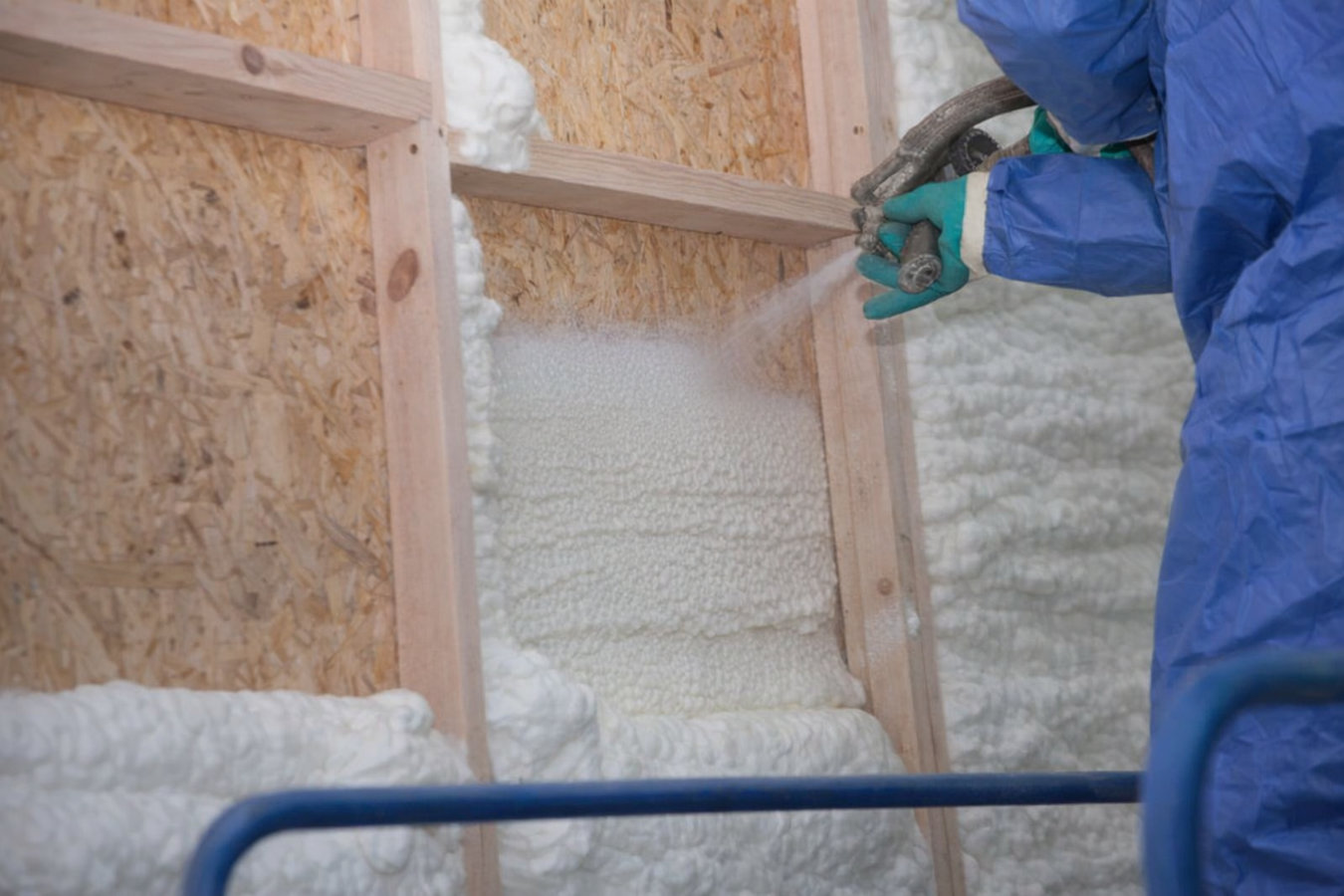
Your home can get the insulation it needs without tearing out walls or moving out for a week. Retrofit insulation adds real thermal protection to an existing home - and Fernley's climate makes it one of the smartest upgrades you can make.
Retrofit insulation in Fernley, NV means adding insulation to a home that is already built - without a major renovation - by blowing, spraying, or rolling new material into attics, walls, and crawl spaces through small access points, and most single-family homes can be completed in a single day.
Most homes built before the mid-2000s were insulated to standards that are now considered outdated - and Fernley has a large share of exactly that housing stock. Insulation also settles, compresses, and gets disturbed by pests or moisture over time, making it less effective than it once was even in homes that started out at code. The result is a home that costs more to heat and cool than it should, with uneven temperatures from room to room and a heating and cooling system that runs more than necessary. Pairing a retrofit with our home insulation assessment helps identify every area of your home that is losing heat or cold so you can prioritize the upgrades with the most impact.
The work is far less disruptive than most homeowners expect. For attic work, a crew runs a hose through your attic hatch and blows material evenly across the floor - no demolition, no drywall repair, no overnight stay. For walls, small holes are drilled and patched when the job is done. You stay in your home throughout.
If your electric bill climbs sharply from June through September and your air conditioner seems to run almost constantly, your attic is likely letting heat pour into your living space. In Fernley, where summer temperatures regularly push past 100 degrees, an under-insulated attic can force your system to work far harder than it should. If your neighbors in similar-sized homes are paying noticeably less to stay cool, that gap is worth investigating.
If one or two rooms in your home are consistently hotter in summer or colder in winter than the rest of the house, that is often a sign that insulation is thin or missing in the wall or ceiling above that space. This is especially common in rooms at the ends of the house or directly under the roofline. The thermostat controls the whole system, but it cannot fix a room that is losing heat through its own surfaces.
A large portion of Fernley's housing was constructed during the early-2000s building boom, and many of those homes were insulated to the minimum standard required at the time. Those standards have since been updated significantly, and what passed inspection in 2004 is now considered inadequate for the desert climate. If you have never had your insulation assessed and your home falls in this age range, it is worth a look.
In Fernley's windy, dusty environment, gaps in your attic floor allow outside air - and the dust it carries - to filter down into your living space. If you see a ring of dust around recessed light fixtures or along the edges of your attic hatch, outside air is moving through those openings. That same air movement is also carrying your heated and cooled air out, which means you are paying to condition air that is escaping through your ceiling.
We add insulation to existing Fernley homes using the material and method that fits each space. Every project starts with an on-site assessment - we measure what is already there, check for moisture or pest damage, and identify where the home is losing the most energy. For attics, blown-in fiberglass or cellulose is the most common approach: a truck-mounted machine blows material evenly across the attic floor until it reaches the depth your home needs. The North American Insulation Manufacturers Association provides installation guidelines that govern how material is applied and verified - we install to those standards and leave a posted coverage certificate in your attic so you can confirm the depth yourself.
Many homeowners find the biggest gains come from combining retrofit insulation with air sealing - plugging gaps first, then adding thermal resistance on top. Our spray foam insulation is well suited for crawl spaces and rim joists where you want the insulation to also act as an air barrier in a single application. For homeowners who want to understand the full picture before deciding, our home insulation service page covers whole-home assessment and how different upgrades work together. We handle any required Lyon County permits and can walk you through NV Energy's current rebate pre-approval process before work begins.
Best suited for homes with an accessible attic hatch where existing insulation is thin, settled, or missing - material is blown evenly across the attic floor without any demolition.
Best suited for homes with uninsulated or under-insulated exterior walls - dense-pack cellulose or fiberglass is blown into wall cavities through small holes that are patched after.
Best suited for homes with unheated crawl spaces where floors feel cold in winter - batts, spray foam, or blown material installed below the floor adds comfort and cuts heat loss from below.
Fernley sits at roughly 4,000 feet elevation in the high desert of western Nevada, where summer highs regularly exceed 100 degrees and winter nights can drop into the teens. That temperature swing is far wider than what most insulation products were rated for in milder climates, and it means your insulation is working hard in both directions every single day. Homeowners here tend to feel the payoff from a good retrofit faster than people in moderate climates, because the baseline energy loss is so significant. Fernley's dry, persistent wind also carries fine alkaline dust that can infiltrate attic spaces and degrade loose-fill insulation over time - so a pre-installation assessment matters more here than in calmer environments. Homeowners throughout Fernley consistently see the payoff in more even temperatures and lower monthly bills after a proper retrofit.
The majority of Fernley's single-family homes were built between 2000 and 2008, when the city was growing rapidly. Homes from that era were built to the minimum code requirements of the time, which are now well below what is recommended for this climate. Many of those homeowners do not realize how much energy they are losing because the home looks fine from the inside. We also serve homeowners in Dayton and the surrounding communities, where the same desert climate conditions and early-2000s housing stock create the same opportunity for meaningful improvement. NV Energy's rebate program requires pre-approval before work begins - we walk you through that step so you do not miss money you are entitled to.
When you reach out, we ask a few basic questions about the size of your home, when it was built, and what problem you are trying to solve. We then schedule a time to come out and look at the space in person. This visit is free, takes about 30 to 45 minutes, and we aim to reply to all inquiries within one business day.
We go into your attic, crawl space, or wall cavities to measure what is already there and check for moisture, pest damage, or air gaps. You will receive a written estimate based on what we actually find - not a ballpark number from a phone call - with a clear scope, materials, and total cost.
The crew arrives with a truck-mounted blowing machine and runs a flexible hose through your attic hatch, blowing material evenly across the attic floor. You stay in your home throughout. For wall or crawl space work, small access holes are drilled and fully patched when the job is done. Most Fernley single-family homes are completed in a single day.
Once the material is in, we measure depth at multiple points to confirm it matches the coverage level in your contract and post a certificate in your attic. If you applied for an NV Energy rebate before work began, we provide the documentation you need to complete the claim - so you do not miss a deadline.
Free on-site assessment, no obligation. We measure what is actually there and give you a written estimate before any work begins.
(775) 980-1609We have worked on a lot of the early-2000s tract homes that make up most of Fernley's housing stock. We know how those homes were built, where they typically fall short on insulation, and how Fernley's alkaline dust and wide temperature swings affect insulation performance over time. That context makes our assessments more accurate and our recommendations more useful.
After installation, we measure depth at multiple points across the attic and post a coverage certificate - required by industry standards - so you can verify the work yourself without taking anyone's word for it. The IRS Energy Efficient Home Improvement Credit also requires an itemized invoice separating material from labor - we provide that automatically.
Our crews have retrofitted homes across the Fernley area for years, so we know the local housing stock firsthand. We know which jobs in Fernley and Lyon County require permits and we handle that process on your behalf, keeping your home's record clean for whenever you decide to sell.
NV Energy's rebate program requires pre-approval before work begins - if you skip that step, you forfeit the rebate. We walk every qualifying homeowner through the pre-approval process before scheduling installation, so you have that money locked in from day one rather than chasing paperwork after the job is done.
Taken together, these are the reasons Fernley homeowners call us back for additional projects and send their neighbors our way. We do the work right, we document it clearly, and we make sure you get every dollar of incentive you qualify for.
Closed-cell or open-cell spray foam for crawl spaces, rim joists, and wall cavities where you need insulation and an air barrier in one application.
Learn MoreA full-home assessment that identifies every area losing energy and helps you prioritize upgrades for the most impact in Fernley's desert climate.
Learn MoreGet your free estimate now and have your home properly insulated before temperatures hit triple digits - and before NV Energy rebate funding runs out.